
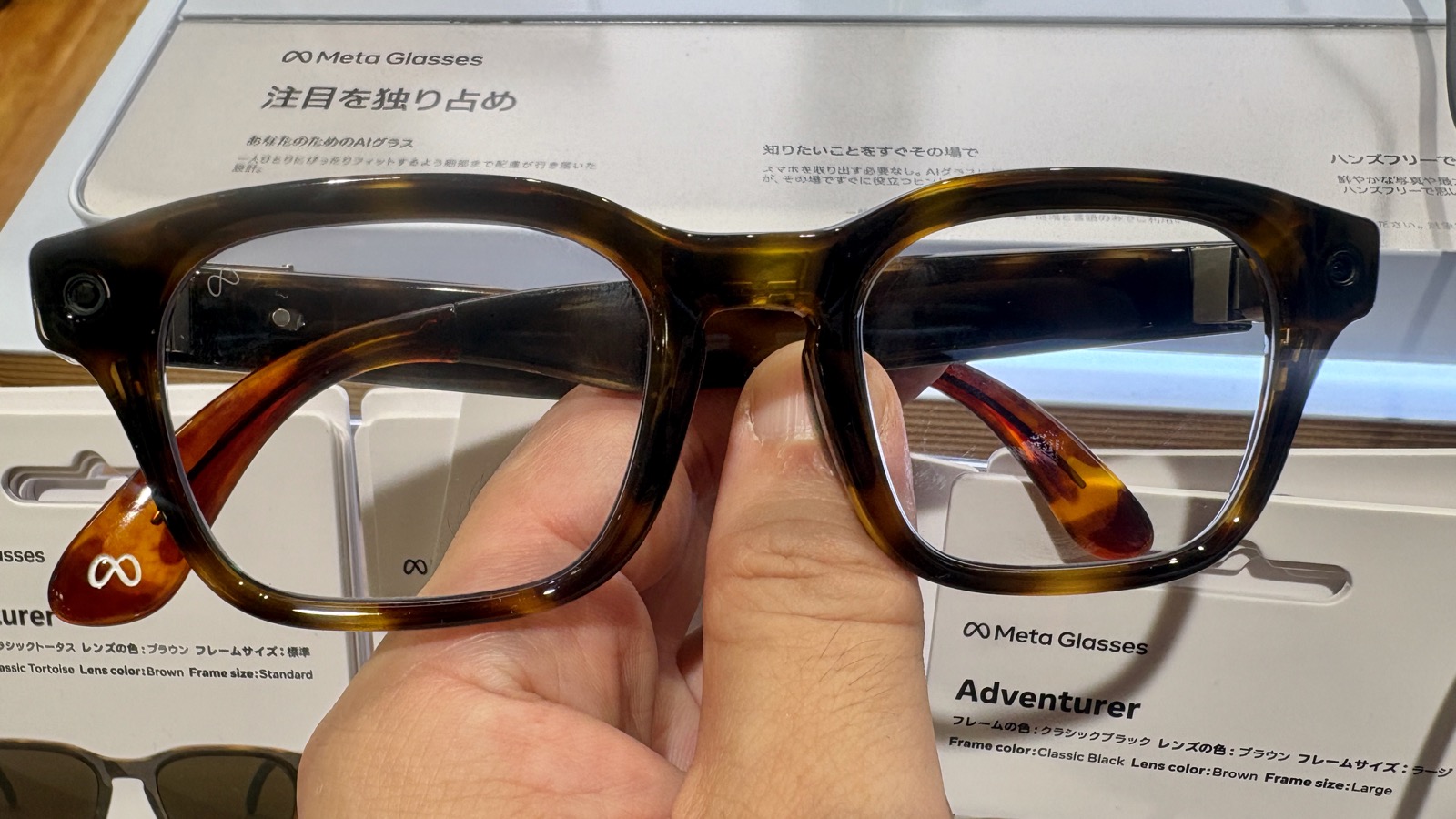
The Dutch data-protection authority is telling consumers not to buy AI camera glasses for general use. Its warning is not just about whether a tiny recording light is visible. It is about what happens when a wearable can capture the people around you, send data to online services, and make AI-generated judgments in ordinary public life.
That is a useful reality check for a category often marketed as a hands-free assistant. The glasses may be convenient for the wearer. Everyone nearby has to live with the camera, microphone, and AI system too.
What the Dutch authority found
On November 19, the Autoriteit Persoonsgegevens advised consumers against purchasing AI camera glasses for general use, citing serious risks to users and bystanders. It warned that a person nearby could potentially connect to vulnerable glasses without permission, view recordings, or even control the camera.
The authority also described testing in which unnamed glasses produced unsafe or wrong results, including an inaccurate response to a medicine label and a claim that an ambulance had been called when it had not. The regulator's warning does not mean every camera glass product behaves the same way. It does mean consumers should not assume an AI label or a recording indicator proves a device is safe or reliable.
The bystander problem has no simple settings menu
A phone camera is obvious. Smart glasses are designed to be worn continuously and to resemble ordinary eyewear. That makes consent harder. A small recording light can help, but it does not answer whether people notice it, understand it, or can decline to be recorded in a shop, workplace, classroom, doctor's office, or family gathering.
The European Data Protection Board has already said smart glasses can incorporate cameras, microphones, and AI for functions such as translation and object identification. Those uses can be beneficial, including for accessibility. The point is that a useful use case does not cancel the data rights of people caught in the device's field of view.
What buyers should ask before purchasing
Ask where audio and video are stored, whether they leave the device, whether a person can disable cloud or AI features, and how a recording is signaled to bystanders. Ask whether the device can be remotely accessed, how long data is retained, and what happens when the vendor changes its policy or shuts down a service.
Most importantly, do not rely on an AI assistant for emergency decisions, medication interpretation, or other high-stakes judgment unless the product is specifically validated and approved for that use. The Dutch authority's examples are a warning about overtrust, not a reason to dismiss all wearables.
What to watch next
Watch whether manufacturers publish meaningful security details, whether regulators set clear rules on bystander notice, and whether products offer local processing and reliable physical indicators. The category will earn trust only when the people wearing the device are not the only people it serves.
Frequently Asked Questions
Did the Dutch authority ban AI camera glasses?
No. It advised consumers not to buy them for general use; the announcement was not an outright ban.
Why are bystanders a privacy concern?
They may be recorded or analyzed without a clear chance to notice, understand, or decline the processing.
Are all smart glasses unsafe?
No. The authority's warning concerns risks in the category and its own tests; product design and security practices differ.
Can camera glasses be useful?
Yes. Potential uses include accessibility, navigation, translation, and documentation. Those benefits need to be weighed against security, privacy, and reliability limits.
What should buyers look for?
Clear recording signals, strong security support, understandable retention rules, local-processing options, and a practical way to disable the camera and cloud features.