
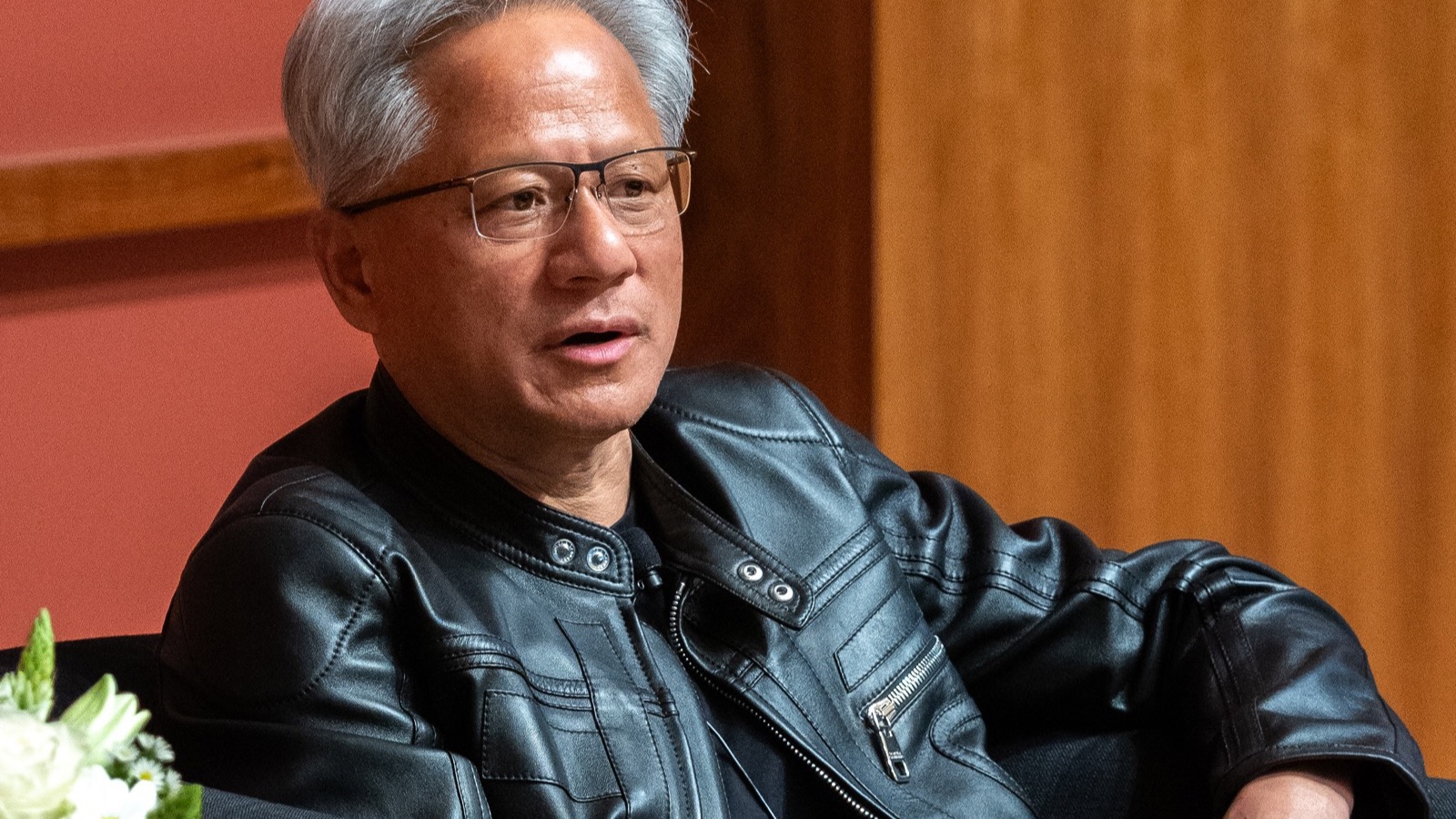
Nvidia reinstated Jensen Huang as president, CEO, and board director on November 23. For CES, where Huang's presentations have become a major industry signal, that restores a familiar face. It does not solve the harder question the episode exposed: how much of the AI industry's most important supplier depends on one person.
What Nvidia actually announced
Nvidia said its board voted unanimously to reinstate Huang effective immediately after discussions and meetings with him. The company also said the board received input from senior levels of the U.S. government and concluded that the reinstatement posed no national-security risk. An SEC filing says the board action occurred November 22; Nvidia publicly announced it November 23.
The prior transition was unusually brief. Nvidia announced Huang's resignation on November 12 and named CFO Colette Kress interim CEO. The reversal restores operational continuity, but it also turns succession planning from a background governance issue into a visible business risk.
Why CES makes this more than boardroom news
Huang's CES appearances matter because Nvidia uses the event to frame its road map across AI infrastructure, physical AI, robotics, automotive systems, and consumer computing. His January 2026 presentation ranged from AI agents to robotics and autonomous-vehicle technology. A return ahead of the next show reduces uncertainty about who will tell that story.
But a compelling keynote is not a succession plan. Customers building products around Nvidia need dependable road maps, supply commitments, and technical support that do not hinge on one executive's public presence. Partners and employees need to know who makes decisions if a sudden transition happens again.
The real test is institutional resilience
Nvidia's board says Huang is the right leader for shareholders, employees, partners, and customers. That is a board judgment, not proof that the company is less dependent on him. The more central Nvidia becomes to AI computing, the higher the cost of governance ambiguity becomes for companies that buy its systems and build businesses on its chips.
The company has deep technical and financial leadership. Kress's interim tenure demonstrated that operations can continue during a disruption. Yet Nvidia has not publicly used this reinstatement to lay out a long-term succession framework, board process, or contingency plan. Until it does, investors and ecosystem partners are being asked to infer resilience from the company's performance.
What to watch next
At CES, watch for substance rather than stagecraft: confirmed product availability, supply commitments, customer deployments, and whether Nvidia addresses management continuity. The next meaningful sign of progress would be a transparent succession and governance plan, not another record audience for a keynote.
Frequently Asked Questions
Is Jensen Huang Nvidia's CEO again?
Yes. Nvidia announced on November 23 that he was reinstated as president, CEO, and a board director, effective immediately.
Why is this relevant to CES?
Huang has used CES to present Nvidia's direction across AI infrastructure, robotics, automotive technology, and computing. His role shapes expectations for the event.
Did Nvidia explain why it reinstated him?
The company said the board acted unanimously after discussions and after receiving input from senior U.S. government levels regarding national-security risk.
Does the announcement establish a succession plan?
No. The announcement restores Huang; it does not describe a long-term succession framework.
What should Nvidia customers watch?
Watch product road maps, supply and support commitments, leadership continuity, and whether the company offers more detail about governance safeguards.