As I write my final article of the year and prepare for CES 2026 next week in Las Vegas, I’m thinking less about gadgets—and more about what this annual pilgrimage now represents. For me, CES has become less of a showcase and more of a signal: a yearly checkpoint on how AI is reshaping the work we do, the families we guide, and the systems we rely on.
For decades, it was easy to dismiss CES as a screen-and-gadget show—full of clever prototypes, early product demos, and optimistic pitches. That version of CES is over. What’s emerging instead is a global vantage point into how artificial intelligence is redefining core sectors: work, education, health, governance, and daily life.
This shift is visible not just in what’s on display, but in who is showing up.
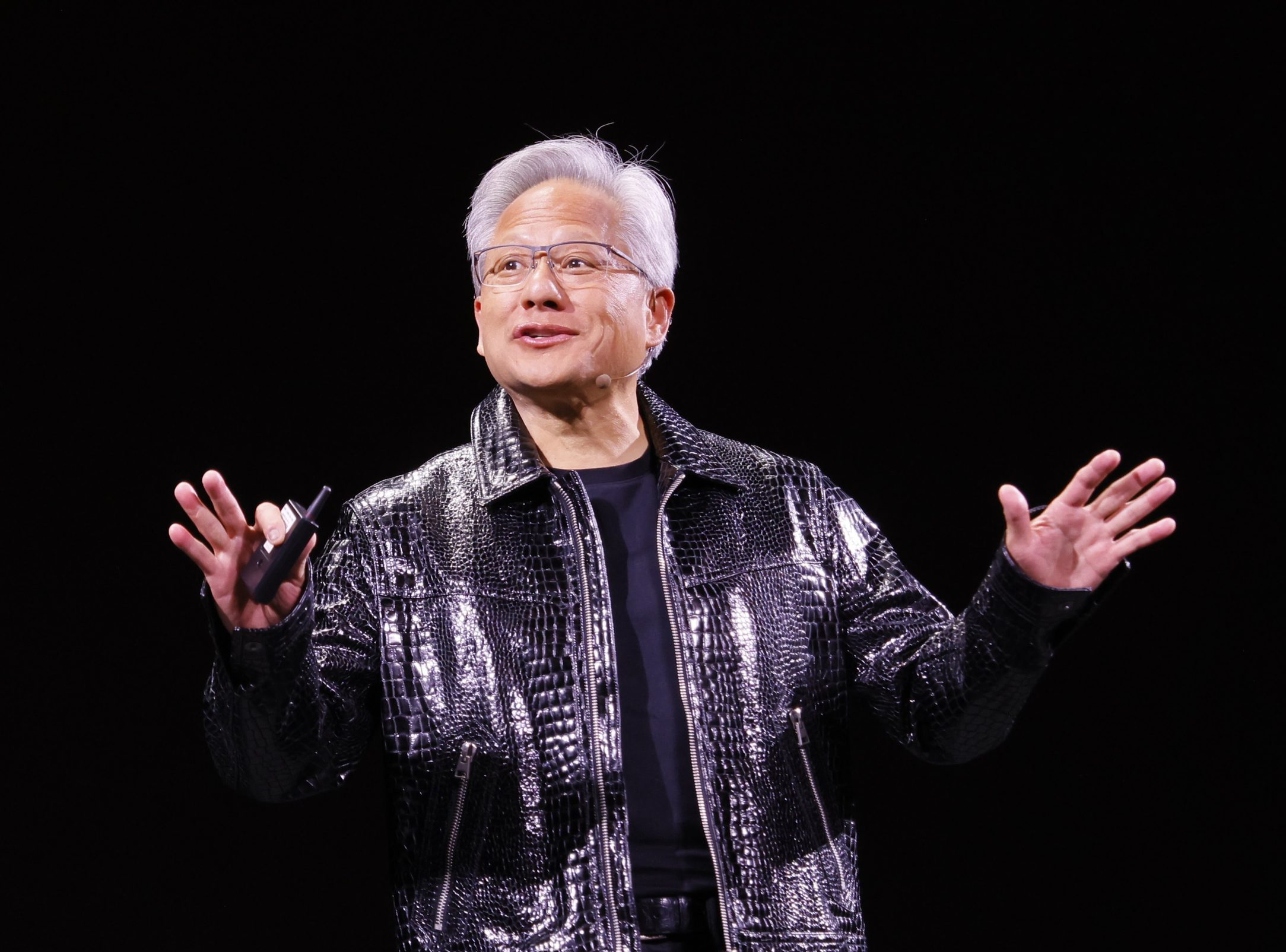
Yes, of course, all eyes will be on NVIDIA CEO Jensen Huang, who is set to deliver a major keynote on January 5, focusing on data centers, physical AI, robotics, and autonomous systems. His talk—”NVIDIA Live with CEO Jensen Huang at CES”—will be livestreamed from the Fontainebleau Las Vegas and will likely shape headlines across the AI space.
But the more revealing question is: Who else is showing up at CES 2026—and what does their presence tell us about the next phase of AI’s influence?
Why Top Government Officials Are Now at CES
CES 2026 will include appearances by senior U.S. government leaders who historically stayed away from “tech trade shows.” The lineup includes:
- Michael Kratsios, President’s Science and Technology Advisor
- U.S. Senator Jacky Rosen
- Andrew Ferguson, Chair of the Federal Trade Commission
- Brendan Carr, Chair of the Federal Communications Commission
- Senior officials from Health and Human Services, Commerce, Energy, and Transportation
This presence is not ceremonial. AI now intersects directly with labor markets, consumer protection, healthcare oversight, transportation safety, and national competitiveness. These leaders are attending CES because the technologies being demonstrated today in Las Vegas will shape regulatory and economic debates tomorrow.
In other words: CES is where policymakers see future problems before they are fully understood or regulated.
Why the CEO of Caterpillar Is a CES Keynote Speaker
One of the most telling developments this year is that Joe Creed, CEO of Caterpillar, will deliver a keynote address. Caterpillar is not a consumer electronics brand or a startup. It is a century‑old industrial company whose machines build infrastructure, extract resources, and sustain supply chains worldwide.
That matters because it reflects a core reality: AI is no longer just software or apps. It is being embedded into the physical infrastructure of our economy — autonomous machinery, industrial logistics, energy systems, and construction environments that move our world.
When companies like Caterpillar talk about AI, they are talking about productivity, jobs, and national economic capacity — not just gadgets.
What Business Media Sees at CES
Major outlets such as CNBC cover CES not because every product succeeds, but because CES signals where money, policy, and technology are aligning.
Journalists watch for patterns:
- Which industries are accelerating automation?
- Where is labor being augmented — or replaced?
- How are companies talking about safety, privacy, and accountability?
Answers to these questions rarely come from press releases. They come from observing patterns on the floor, in keynotes, and in executive conversations long before those narratives show up in earnings calls or regulation.
For enterprise technology leaders who cannot attend, CES serves as an early warning system — not just for technology, but for strategy.
What CES Reveals About Work and the Global Labor Market
For most families, the most pressing question isn’t about the devices shown at CES. It is about jobs and livelihoods.
AI is not eliminating all work. It is redistributing leverage:
- Roles based on repetition or predictable tasks are most vulnerable.
- Roles requiring judgment, creativity, empathy, and complex human interaction remain valuable — and will continue to command premiums.
In the U.S., workers feel pressure to reskill continuously. In many developing economies, AI risks compressing decades of industrialization into a much shorter transition, leaving fewer predictable paths into stable careers. This is a global shift with profound implications for workforce strategy, education planning, and family expectations.
CES does not solve these challenges — but it shows how seriously companies are taking them.
Why Families Should Pay Attention to AI in 2026
Technology no longer lives only at work. AI shows up in daily life in subtle and consequential ways. In 2026, families will increasingly encounter AI in:
- Homework assistance and tutoring platforms
- Health and wellness monitoring
- Scheduling, budgeting, and caregiving technologies
- Hiring platforms and enterprise productivity systems
These systems influence decisions quietly. They shape expectations about speed, performance, fairness, and trust.
As we enter 2026, families should be asking:
- What skills age well in an AI economy?
- Which decisions should be automated and which should remain human?
- How do we prepare children for uncertainty, not just careers?
These are not abstract questions; they are strategic. And they deserve practical answers.
Practical Steps for Families (and Leaders) in 2026
AI fluency will be foundational for every household. Here are grounded, specific actions families should take:
1. Build AI literacy.
Understanding how systems work, where they fail, and how they make decisions is no longer optional.
2. Engage with technology intentionally.
Create accounts and learn privacy settings for the tools your family uses. Don’t leave defaults to chance.
3. Prioritize adaptability.
The future favors individuals and families who can learn new frameworks, not just new tools.
4. Maintain human judgment.
Convenience is easy; discernment is harder. Question automation when it replaces judgment.
5. Focus on infrastructure, not just apps.
Long‑term change happens at the systems level — the platforms and networks that power our economy.
Looking Ahead: My Next Work
In 2026, I am expanding my work on Raising Kids in the Age of AI with new research on how families can build judgment, resilience, and ethical grounding alongside technical skills. I welcome your questions, your stories, and your perspectives.
If you cannot make it to CES next week, watch for the signals that matter:
- Policymakers showing up where the technology is built
- Industrial leaders integrating AI at scale
- Patterns that indicate shifts in labor, regulation, and societal expectations
This is not about what is new. It is about what is becoming normal.