Leaving pets alone no longer means worrying about missed meals or lonely afternoons. A new class of AI pet devices—from mobile robots to smart feeders and collars—helps owners stay connected wherever they are. As hybrid work and travel rebound, these “robot sitters” are shaping a new norm in responsible pet care.
How AI Pet Sitters Work
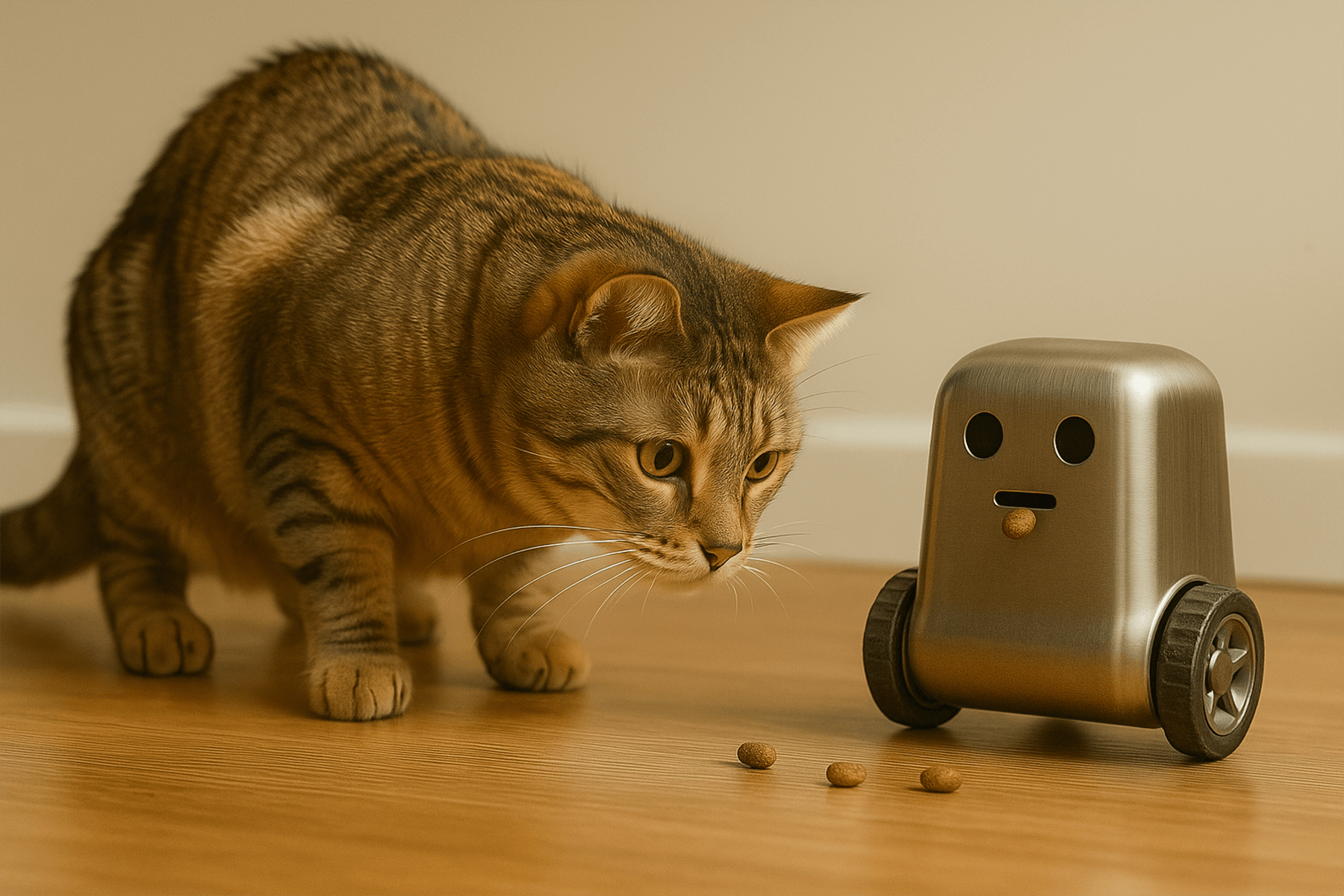
Robot pet sitters combine cameras, motion sensors, and treat dispensers with mobile apps. They detect movement, send video alerts, and allow owners to speak or play with their pets remotely. Some even roll around the home, following a curious cat or comfort-seeking dog.
These systems use artificial intelligence to recognize behavior changes or stress patterns. Over time, AI models learn a pet’s routine—when they nap, play, or pace—so owners can receive useful insights instead of constant notifications.
Popular Devices and What They Offer
Several companies now compete in this fast-growing space:
- Petcube—a leading brand offering cameras and treat dispensers that let owners talk, watch, and reward pets from anywhere.
- ORo—an autonomous companion robot that navigates the home, plays interactive games, and uses sensors to detect unusual behavior.
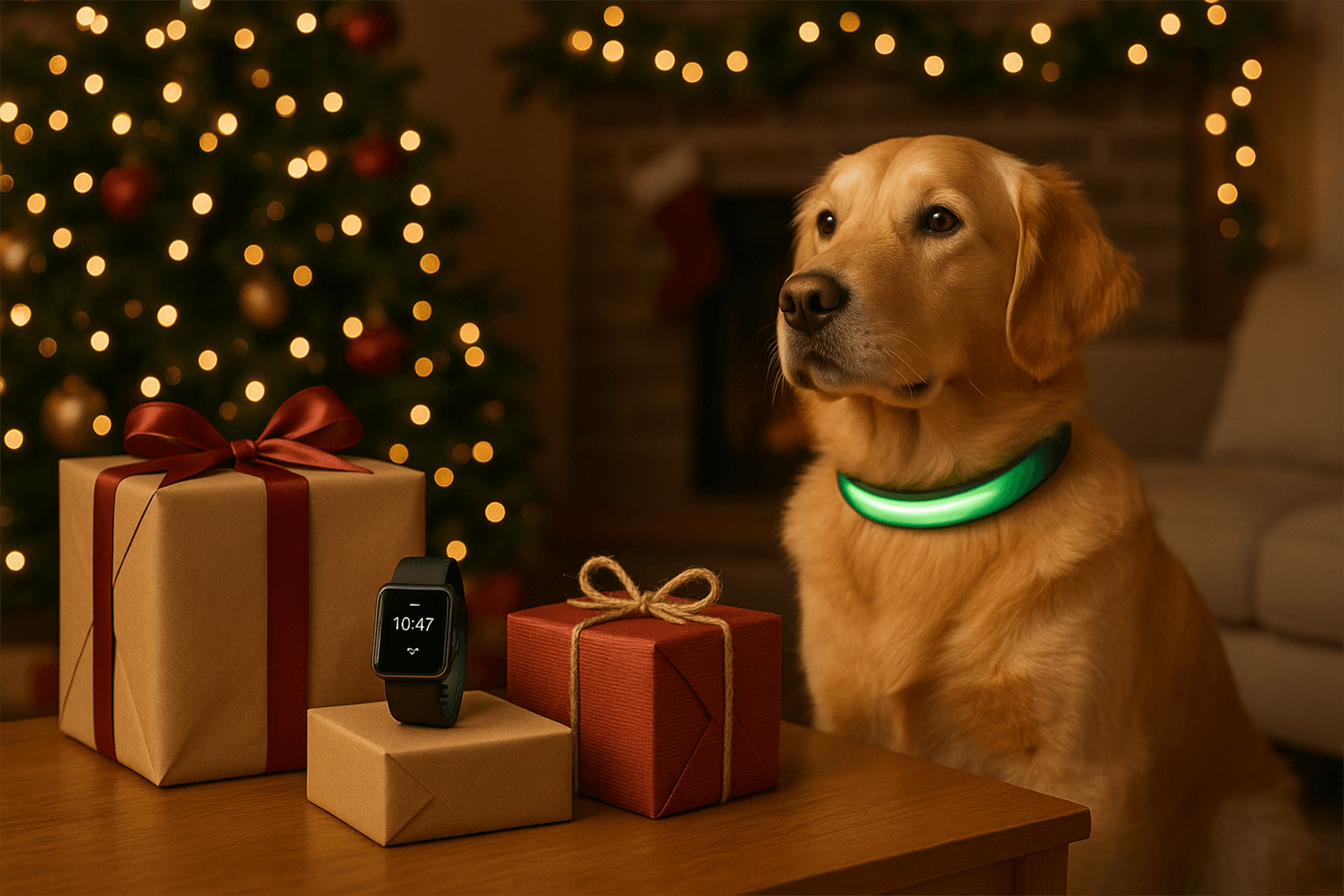
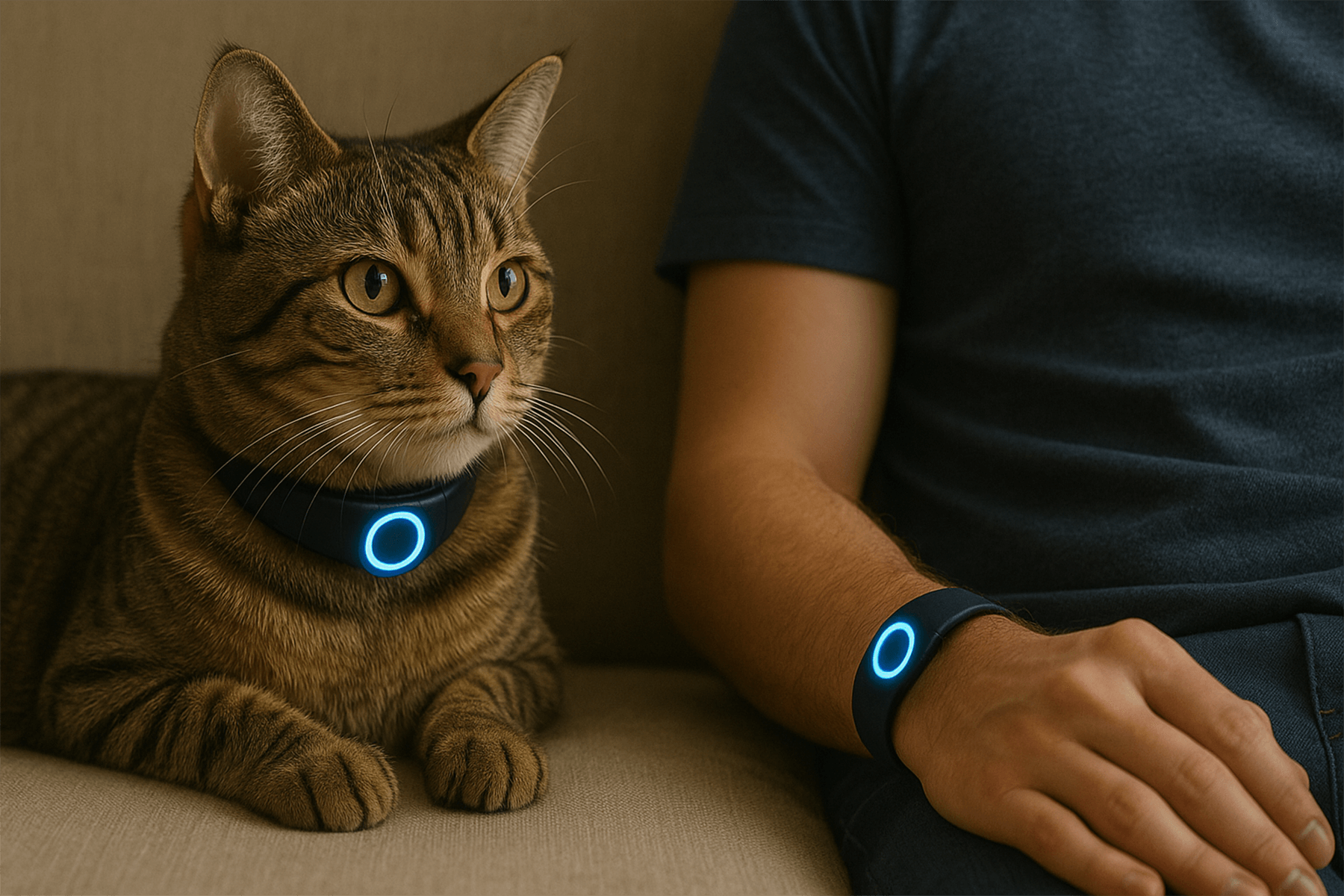
- Tractive—known for GPS and wellness monitoring, offering live location tracking and activity reports during trips.
- Keyi Tech—developer of companion robots that support both playtime and surveillance while owners are away.
More niche startups offer AI feeders and drinkers that integrate with cameras, ensuring consistent routines even during long weekends away.
Why Pet Owners Are Searching for These Tools
Owners who travel or work long hours often ask the same questions: “How can I check my pet’s wellbeing from afar?” or “Can a robot help with separation anxiety?” The growing number of robot pet care market reports show that convenience, emotional comfort, and safety are driving purchases.
These AI systems reduce guilt by offering daily connection and routine monitoring. Video clips, wellness insights, and voice playback provide both reassurance and entertainment for pets left home alone.
What to Look for When Choosing a Robot Pet Sitter
- Core functions: Two-way audio, 1080p video, night vision, and remote treat dispensing.
- AI features: Behavior detection, motion tracking, and smart alerts.
- Battery & durability: Long battery life and obstacle avoidance for roaming robots.
- Privacy & data: Devices should offer encrypted video and clear policies on data storage.
- Ease of setup: Look for reliable apps and simple pairing with home Wi-Fi.
Before buying, consider your pet’s temperament—some dogs take to interactive robots immediately; others need gradual introduction. For nervous pets, start with stationary cameras or feeders before upgrading to mobile companions.
Can Robots Replace Human Sitters?
Not yet. AI devices offer peace of mind and partial companionship, but they cannot replace professional oversight for extended absences or medical care. They excel at filling short gaps—long workdays, weekend getaways, or when pet-sitting services are unavailable. Many owners find a hybrid approach best: human visits plus connected devices for real-time visibility.
Key Takeaways
- Robot pet sitters use AI to monitor, play with, and comfort pets remotely.
- Devices like Petcube and ORo combine cameras, motion sensors, and treat dispensers.
- AI recognition features track behavior patterns and send smart alerts.
- These systems work best for short trips and daily peace of mind—not as full human replacements.
What This Means for You
As travel and remote work continue to blur, AI-powered pet sitters are turning into essential household helpers. They simplify care, reduce stress, and ensure pets maintain healthy routines even when owners can’t be there. Choosing the right device means balancing features with your pet’s comfort and your lifestyle needs.
FAQ
1. What is a robot pet sitter?
An AI-enabled device that lets owners monitor, communicate with, and sometimes feed or play with their pets remotely using a mobile app.
2. Can AI pet sitters replace human sitters?
No. They complement but don’t replace human care. Use them for day-to-day monitoring, not extended travel without supervision.
3. Are these devices safe for pets?
Yes, most models are tested for safety. Choose versions with obstacle detection, stable wheels, and certified materials.
4. How much do robot pet sitters cost?
Expect prices between $150 and $900 depending on mobility, camera quality, and AI sophistication.
5. Do AI pet sitters help with separation anxiety?
Many owners report reduced anxiety when pets hear familiar voices or receive treats during absences.
6. What happens if Wi-Fi drops?
Devices typically reconnect automatically, but check that local video storage or alerts continue offline.
7. Which brands are most popular?
Petcube, ORo, Tractive, and Keyi are leading names in AI-driven pet care devices.
8. Can multiple pets use one robot?
Yes, but ensure the robot recognizes boundaries and distributes treats evenly to avoid competition.
9. Is there a privacy risk with cameras?
Always secure devices with strong passwords and choose brands that offer encrypted streaming.
10. What features matter most for travelers?
Reliable connectivity, app alerts, and two-way interaction features are key for peace of mind while away.